Behind the Good Food Guide with Emma Breheny
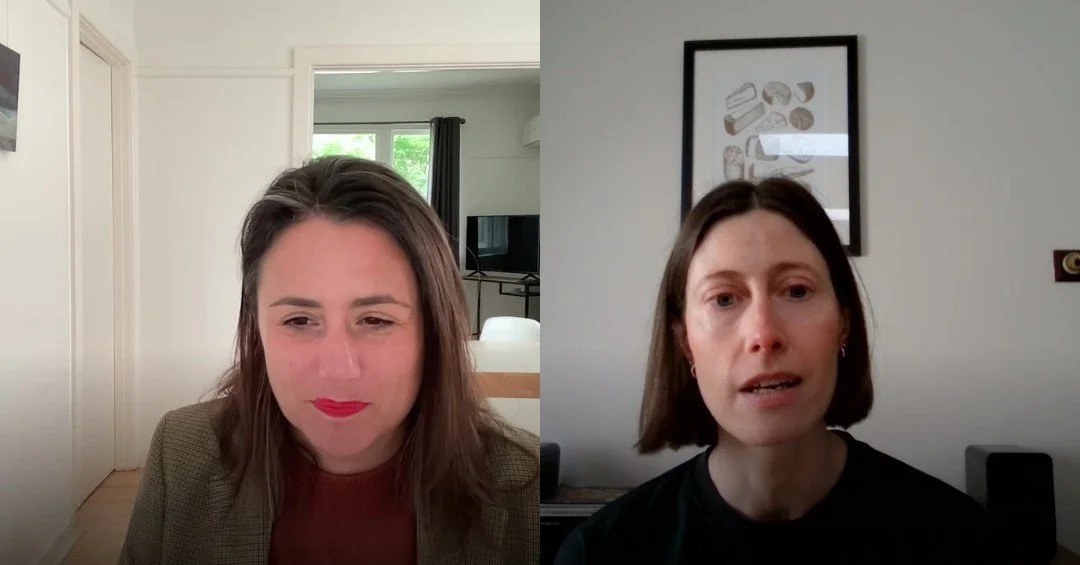
The Growth Edit Podcast: Season 1, Episode 11
What chefs and operators need to know in 2026
If you work in hospitality in Australia, the Good Food Guide sits somewhere between a benchmark, a stress test and a mystery. You know it matters. You know diners use it. You know chefs chase hats. But the inner workings can feel opaque, especially if you’re a suburban or regional operator.
Post this year’s awards, I sat down with Co-Editor Emma Breheny to walk through exactly how the Guide works in 2026. We covered scoring, anonymity, Critics Picks, discovery, awards and her tips for getting on the radar.
Not every venue is chasing hats, but most operators still want to understand how the Guide works. It can feel like a black box and Emma’s generosity in explaining the detail was incredibly refreshing.
Below are the top line takeaways from our 30 minute chat but if you’re a podcast listener I highly recommend queuing the full episode on Apple: The Growth Edit.
1. The Guide has evolved beyond fine dining
Post pandemic, the Guide has broadened to reflect how Victorians actually eat. It now recognises a wider range of venues, not just special occasion dining. This is where the Critics Pick symbol comes in. It highlights venues the team believes are essential, interesting or important, regardless of hats.
Watch: Behind the Good Food Guide with Emma Breheny
2. How restaurants get discovered
The Guide looks everywhere. The editorial team discovers venues by:
Monitoring threads and online discussions.
Watching Instagram for emerging operators.
Checking Google Maps when researching specific areas.
Reviewing regional tourism websites.
Speaking with industry contacts.
Listening to tips from their reviewer pool.
Reading direct emails from operators.
If you want to be considered, email editorial@goodfood.com.au. A current menu and an updated website matter more than you think! A press release and polished photography are nice to have, but they are far less important than having an up to date menu and website.
Watch: How the Good Food Guide Discovers New Restaurants
3. What reviewers look for
Reviewers assess whether your venue is achieving what you set out to do. They focus on:
The clarity of your concept.
Whether the service style matches the room and the food.
Whether the menu and execution align with the promise.
The consistency of cues across venue, experience and online presence.
Watch: What Sets Restaurant Expectations for Critics and Diners
4. The scoring system made simple
Every review uses the same matrix:
Food out of 10
Service out of 5
Setting out of 3
Value out of 2
To simplify:
One hat: 15 to 15.5
Two hats: 16 to 17.5
Three hats: 18+
Value is not about cost. It is about whether diners feel the experience was worth what they paid.
5. How anonymity works
Reviewers remain anonymous and it’s still effective. Reviewers will:
Avoid booking under their own names.
Use alternate emails, phone numbers and credit cards.
Avoid behaviour in venue that would identify them.
Follow strict guidelines provided at the start of the year.
If something looks inconsistent after the review is filed a second reviewer is sent.
Watch: How Good Food Critics Stay Anonymous When Reviewing
6. The awards process
The awards recognise operators and venues that shape Victorian dining, not simply the “best” of the year. This is why Flower Drum (a fifty year old icon) won Restaurant of the Year and why categories such as Trailblazer highlight purpose driven operators like Barragunda.
Final thoughts for operators
If you want to be considered for the Good Food Guide:
Keep your menu current.
Update your website.
Maintain an Instagram presence that reflects your offer.
Email the editorial inbox if you want to be reviewed.
Focus on consistency and clarity above everything else.
A review early in the year may be an indication of your result for the guide but is not a guarantee. The team will often send a second reviewer later in the year.
Need help strengthening your restaurant’s positioning?
Hats can be incredibly powerful, especially for ambitious or high end restaurants, but long term success still comes down to bums on seats and running a smart, sustainable business. That’s exactly where a strong marketing strategy makes all the difference.
If you would like support refining your restaurant’s positioning, marketing and guest experience, you can book your call with me here. he first one is always free. I do not charge until we both decide we are the right fit.
As always, I hope this resource is helpful. If you have any feedback or questions, please let me know.
Holly