Five things I learnt about Meta ads from Christine Pietersz
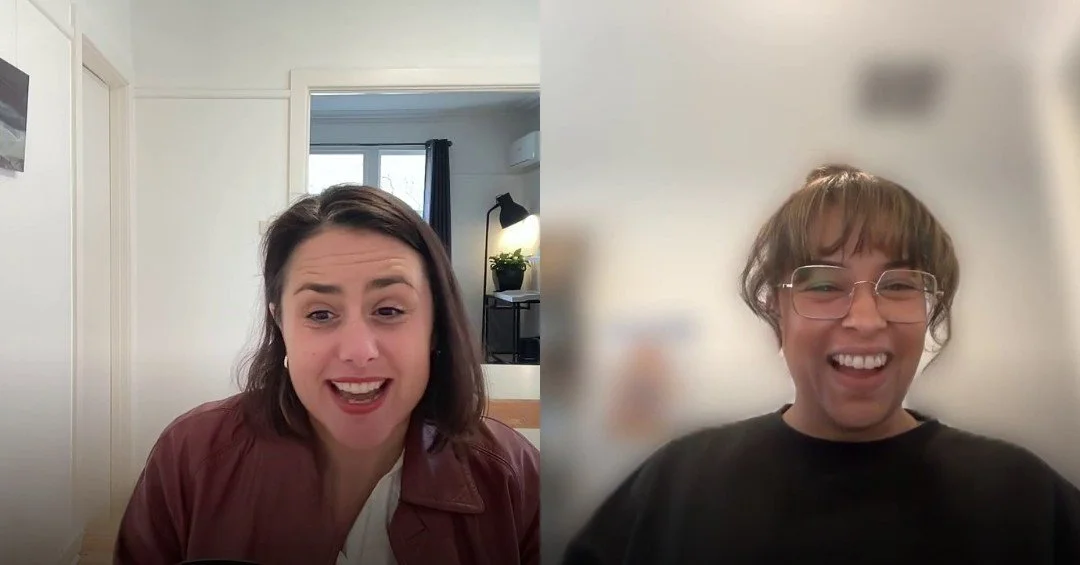
If you've ever boosted a post on Facebook or Instagram and weren't quite sure it did anything, you're in good company. It's one of the most common ways food and wine businesses spend money on Meta, and most of us have done it at some point.
I wanted to get to the bottom of what actually works, so on this week's episode of The Growth Edit I sat down with Christine Pietersz, paid ads strategist and founder of Seed & Story. Christine ran social and digital for the Brown Family Wine Group, across brands including Brown Brothers, Innocent Bystander and Devil's Corner, before starting her own consultancy. She has been on the tools in our industry, which is exactly why I wanted her view.
Here's what stuck with me.
1. Boosting buys you convenience, not a strategy
This was the line of the conversation. Boosting a post from the back of Instagram is easy, and that's the appeal. But as Christine put it, it buys you convenience, not a strategy. Each boosted post gets created as its own separate campaign, which means you can't give the platform the creative variety it now wants, and you can't see your results in one place to make a proper decision.
Her recommendation isn't to never use a good organic post. It's to run your ads through Ads Manager instead, where you can still feed in your best-performing organic posts, keep the likes and comments as social proof, and actually control your audiences and see the data. If you've got an organic post doing well, her rule of thumb is to watch it for three to five days, then take the winners into Ads Manager as a proper ad.
2. Get your foundations right before you spend
Before you put money behind anything, Christine's bare minimum is two things: your Meta pixel installed on your website, and Google Analytics set up so you can see who's coming to your site and what they do there.
It sounds basic, but it's the difference between knowing whether your spend is working and guessing. And there's a step before even that. If someone taps your profile right now, can they actually book? Can they take an action? A dormant organic presence is where a lot of potential customers quietly stop.
3. Sell the experience, not the product
This is the part most relevant to wineries and producers selling direct. You're competing with the bottle shop down the road, so trying to win on a buy-now message and a discount is a hard road, especially to a cold audience.
Christine's advice is to think of each channel as having a specific role. Meta is your discovery and awareness tool, the place you tell the story and sell the experience. Email is where the actual sales conversion happens, your wine club, releases and pre-orders, to an audience you own. The cellar door is where loyalty is built face to face. The mistake is treating any one of these as the whole machine. I see this a lot: a DTC brand that wants to run a 25 per cent off offer on Facebook, with no organic presence and no email, and expects it to convert a cold audience. It rarely works, and it's not a sustainable way to build a sales channel.
4. Treat events as part of the machine, not a one-off burst
If you're running a one-off event, a wine dinner or a festival, Christine starts warming the audience three to four weeks out, then does the hard push at around ten to fourteen days. She runs two layers: a broad audience with local parameters, and a separate remarketing layer for your warm audience, past attendees, people who've engaged, website visitors. That warm audience is your goldmine.
The bit worth underlining: drive traffic to a landing page on your own website with the booking link, rather than dropping people straight onto Eventbrite or Humanitix. That way you capture the visit, you can track it, and you keep building your remarketing audience for the next event. An event shouldn't be a burst that disappears. It should feed the machine.
5. Let your creative do the targeting
If you've been in the back of Facebook lately, you'll know the targeting controls have changed. We used to set the audience tightly. Now, with the Andromeda update, the platform wants to decide where your creative goes.
Christine's take is that this makes your creative the targeting. The work moves to understanding two or three core personas, what makes them tick and what makes them act, and then building creative that speaks directly to each one. Creative diversity isn't just having a story, a reel, a carousel and a static. It goes deeper than format, to the hooks and the messaging that speak to different people, and then you let the platform place it.
The thread that ties it together
The thing I took away is that none of this works in isolation. Paid, organic, email and the cellar door aren't separate tools you switch on for results. They're one consumer journey, and the businesses getting it right understand the role each one plays.
If you want to put this into practice, Christine and I are running a Meta Ads workshop in Melbourne CBD on Tuesday 28 July. It's a small, hands-on session for operators already running their own ads who want to spend smarter and get more back. We work through real campaigns and leave plenty of time for your own questions.
Early bird is $349 until 17 July. After that it goes up to $399. Reserve your seat
You can also listen to the full conversation with Christine here. Listen to the episode