The Helpful Bit: What Visit Victoria’s 2030 Strategy Really Means for Food and Wine Operators
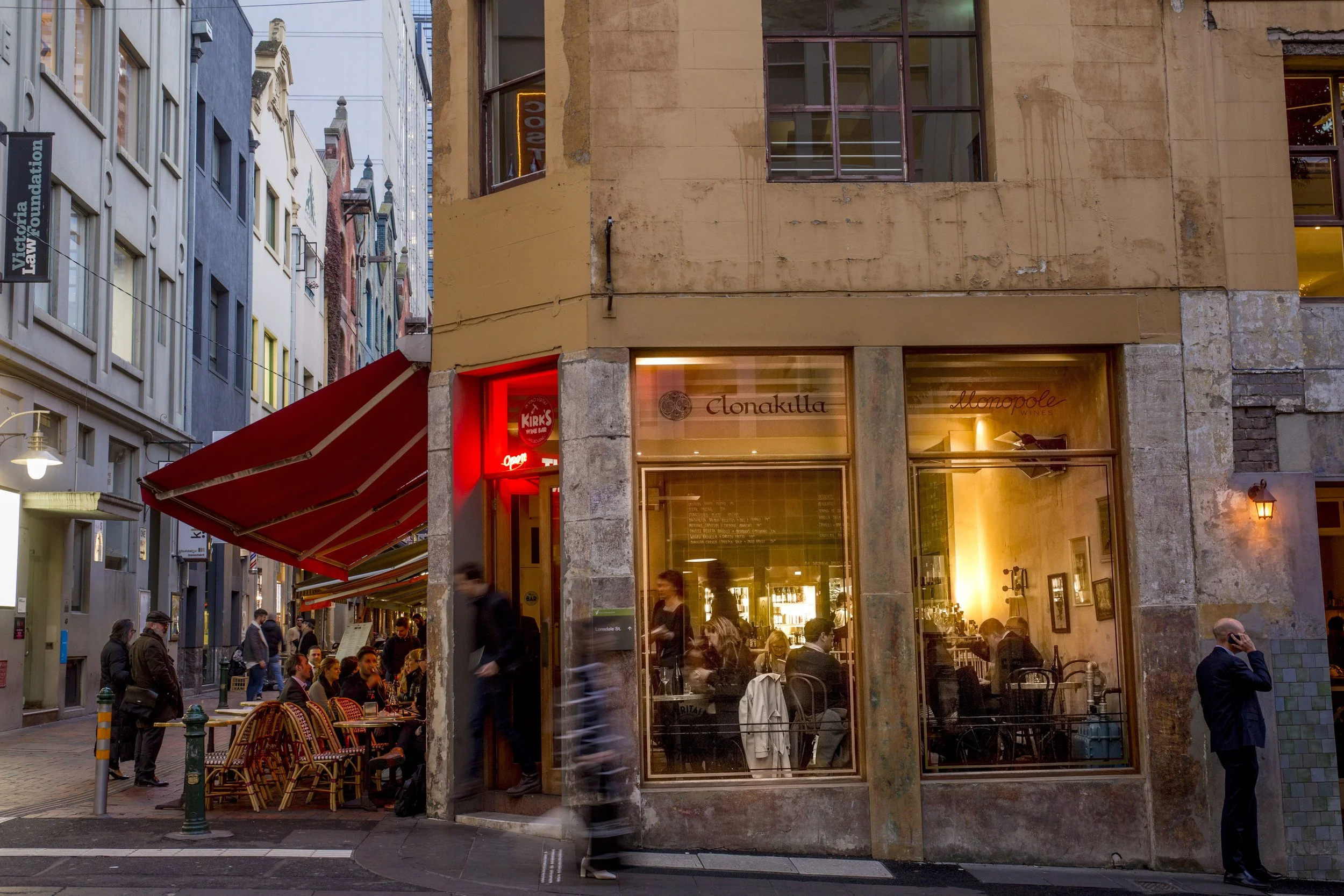
Yesterday I was at the launch of Visit Victoria’s 2030 Strategy, the roadmap to grow the state’s visitor economy (aka tourism market) to $53.4 billion by the end of the decade.
After fifteen (twenty?) years working across food, wine and tourism, I found myself nodding through most of it. Because while strategies can sound lofty, this one hits close to home. It reminded me why food and wine have always been Victoria’s heartbeat, and why now, more than ever, we need to evolve how we tell that story.
I know most operators don’t have the time (or desire) to read forty pages of agency strategy. And even if you did, the real challenge is translating the tourism jargon and figuring out what it actually means for your business.
So here’s what the 2030 Strategy really means for restaurants, wineries and producers (in plain language) with a few practical marketing takeaways from me to help you make the most of it over the next few years. Or as I have called them, the helpful bits.
1. Food and Wine: Victoria’s Cultural Heartbeat
Food and wine isn’t a sideshow to the Great Ocean Road or penguin parades. It’s a main drawcard. The 2030 Strategy calls out “Celebrated food and drink culture” as one of Victoria’s greatest strengths, and they’re right. What we grow, cook, pour and share tells the story of who we are. Food and wine aren’t just an industry; they’re culture. And no one does it quite like we do!
But culture is shifting. Visitors are more conscious about health, sustainability and how they spend their time. That’s not a threat, it’s an opportunity to evolve. It’s up to us to keep food and wine at the centre of the state’s identity.
The Helpful Bit:
Refresh your story. Make sure your imagery and copy show who you are today.
Build one signature experience that captures your sense of place.
Integrate sustainability and local provenance in a way that feels genuine, not performative.
2. Know Who You’re Talking To
At the launch, Visit Victoria shared two audience personas that really stood out.
The first are younger discovery seekers, social, curious and motivated by novelty. They’re not avoiding the regions; they just need a reason to go. The second are 50+ experience seekers, time-rich, discerning and ready to spend when something feels special.
The Helpful Bit:
For younger audiences, make it social and visual. Add a playlist, create visual moments and work with local creatives who can bring personality and energy. If you’re serious about attracting under-35s, take TikTok seriously, that’s where discovery happens. And have a PR strategy that gets you into lifestyle and culture outlets, not just food and wine media.
For older travellers, focus on detail and ease. Offer hosted experiences, premium add-ons or seated formats. Make sure directions, accessibility and service touchpoints are clear online.
For both, lead with people and story, not just product.
3. Focus on Value, Not Volume
The 2030 Strategy might be chasing visitation growth, but the best operators will chase yield. For primary producers, there’s a multiplier effect when a genuine food and wine lover visits your property. Someone who joins your farm tour, private tasting or long-table lunch is far more likely to become a repeat buyer of your wine or produce once they’re home.
So invest in the experience and let it build long-term brand loyalty.
And please, don’t default to discounting. It erodes brand trust and attracts value-driven audiences. Instead, create new products that add value. Experiences that feel luxurious, personal or one-off. You can still be accessible to younger food and wine lovers through smaller, lighter experiences without devaluing your core offer.
The Helpful Bit:
Build tiered experiences: premium hosted tastings, mid-week mini menus or group options.
Add value instead of discounting. Think exclusivity or access.
Measure repeat visitation, yield and advocacy, not just foot traffic.
4. Visibility Is Everything
Being visible isn’t just about showing up on Google Maps. It’s about being discoverable everywhere, from social media to AI search. Travellers now plan their own itineraries through Instagram, TikTok and even AI tools. If you’re not easily found online, you’re invisible.
And it’s not just independent travellers you’re missing. Tourism boards, trade partners and media also start their research digitally. If they can’t find you, they can’t feature or book you.
The Helpful Bit:
Keep your ATDW and Google Business Profile up to date with live hours, menus, photos and booking links.
Offer instant online booking and automated confirmations.
Post regularly with strong keywords and location tags.
Invest in photography that captures real people and the expereince, not just plates and bottles.
5. Make It Bookable and Simple
Travellers want ease and certainty. “Email us to enquire” is not a booking pathway.
If you can package your offer clearly, you’re already ahead of most. And if you can make it bookable online, you’re removing the friction that kills most conversions.
The Helpful Bit:
Package your experience with a fixed price, clear inclusions and set duration.
Put “Book Now” or “Check Availability” front and centre.
Offer short tastings or one-hour experiences that fit different itineraries.
6. Collaboration Beats Competition
Controversial advice, but from where I sit, the strongest operators aren’t going it alone. They’re joining forces.
I’ve worked with plenty of premium restaurants, wineries and destinations that see themselves as standalone icons. But the truth is, no matter how incredible or luxurious your offer is, visitors won’t travel for one stop. They plan trips around clusters of food, wine, scenery and accommodation that connect to create a destination experience.
Even if your neighbour’s number one target market is different to yours, that’s not a bad thing. Most travellers want variety, and they’ll happily visit both. So be open-minded and play as part of the region, your local neighbourhood or council.
The Helpful Bit:
Join your regional tourism or wine association to access shared campaigns and trade visibility.
Partner with nearby operators on trails, events or dine-and-stay packages.
Share content and cross-promote each other. Travellers love seeing collaboration.
7. Getting Tourists into the Regions Is the Big Opportunity
A huge focus of the 2030 Strategy is dispersal, getting visitors beyond Melbourne.
That means thinking like a traveller, not a local. Most people won’t drive hours for a meal, but they will travel for a journey that links a few memorable stops together.
The Strategy highlights key touring routes that shape how people explore the state. If you understand which route your business sits on, you can build packages or experiences that fit into the traveller’s journey rather than expecting them to seek you out as a stand-alone destination.
Great Southern Touring Route (Grampians, Great Ocean Road)
Sydney–Melbourne Inland Route (through Central Victoria & The Murray)
Sydney–Melbourne Coastal Route (via Gippsland)
Go Beyond Melbourne Routes (The Yarra Valley and the Dandenong Ranges, Phillip Island, the Mornington Peninsula, Geelong and the Bellarine).
The Helpful Bit:
Identify which touring route or drive market you align with and build into that narrative.
Use timely events to create urgency, like festivals, collaborations or seasonal menus.
Publish simple itineraries on your website that connect to other local experiences.
8. The City and International Markets Are Heating Up
Interstate and International travel is bouncing back, and Melbourne’s major events are the anchor. The Australian Open, Grand Prix and AFL Finals bring high-value visitors who dine mid-week and share their experiences online.
Hotels and tourism trade are back in the driver’s seat, curating where these visitors go. Get on their radar.
The Helpful Bit:
Align your experiences with key events so you’re visible during high-spend periods.
Keep hotel concierges and travel trade contacts updated with one-page menus and fresh imagery.
Work with inbound travel agents or wholesalers to pre-sell experiences before visitors arrive. RTBs have programs and can offer more advice to help with this.
9. Influencers Are Officially in the Mix
For those who know me well, you’ll know my marketing career started in comms and PR. Back then, influencer marketing was a fluffy add-on, a free bottle of wine here, a comped meal there.
But things have changed. One of the most interesting insights from the conference was how firmly content creators now sit within strategy. They’re not an afterthought anymore; they’re recognised as a legitimate and measurable part of marketing, not just for awareness but for conversion.
Platforms like TikTok have completely changed the game. As one panellist put it, people are “experiencing their holiday before they’ve even booked it.” The best creators don’t just sell destinations; they make people feel like they’re already there.
The Helpful Bit:
Work with creators who genuinely love your product and can speak to it naturally.
Create visual moments worth capturing, like a chef plating in the vineyard, a cocktail made tableside, or a firepit tasting under the gums.
Repurpose creator content across your own channels and track conversions through unique booking links.
10. Do It with Integrity
The 2030 Strategy calls for a more inclusive, sustainable and culturally respectful visitor economy, and that has to start at operator level.
The Helpful Bit:
Collaborate with Traditional Owners and First Peoples businesses with genuine intent.
Be transparent about your sustainability practices and real actions.
Include accessibility details and clear information in every listing.
The Takeaway
The Visit Victoria 2030 Strategy isn’t just about growth. It’s about evolution. For food and wine operators, it’s a reminder to keep pace with travellers while staying true to what makes Victoria different.
Be visible. Be bookable. Be part of your region’s bigger story. And keep leading with flavour, authenticity and a sense of place.
If this strategy gets even a handful of operators thinking differently about how they show up, it’ll be worth it.
For more practical marketing advice for food and wine businesses, visit hollyformosa.com/GrowthInsights.
🎧 Coming soon on The Growth Edit Podcast: a deep dive into Visit Victoria’s latest consumer research and what it means for food and wine operators.