Welcome to Growth Insights
Articles & Resources
I’ve pulled together a few guides to help you get quick wins, spark ideas, and avoid common marketing traps. These are some of the most shared and saved resources by food, wine and hospitality operators I work with.
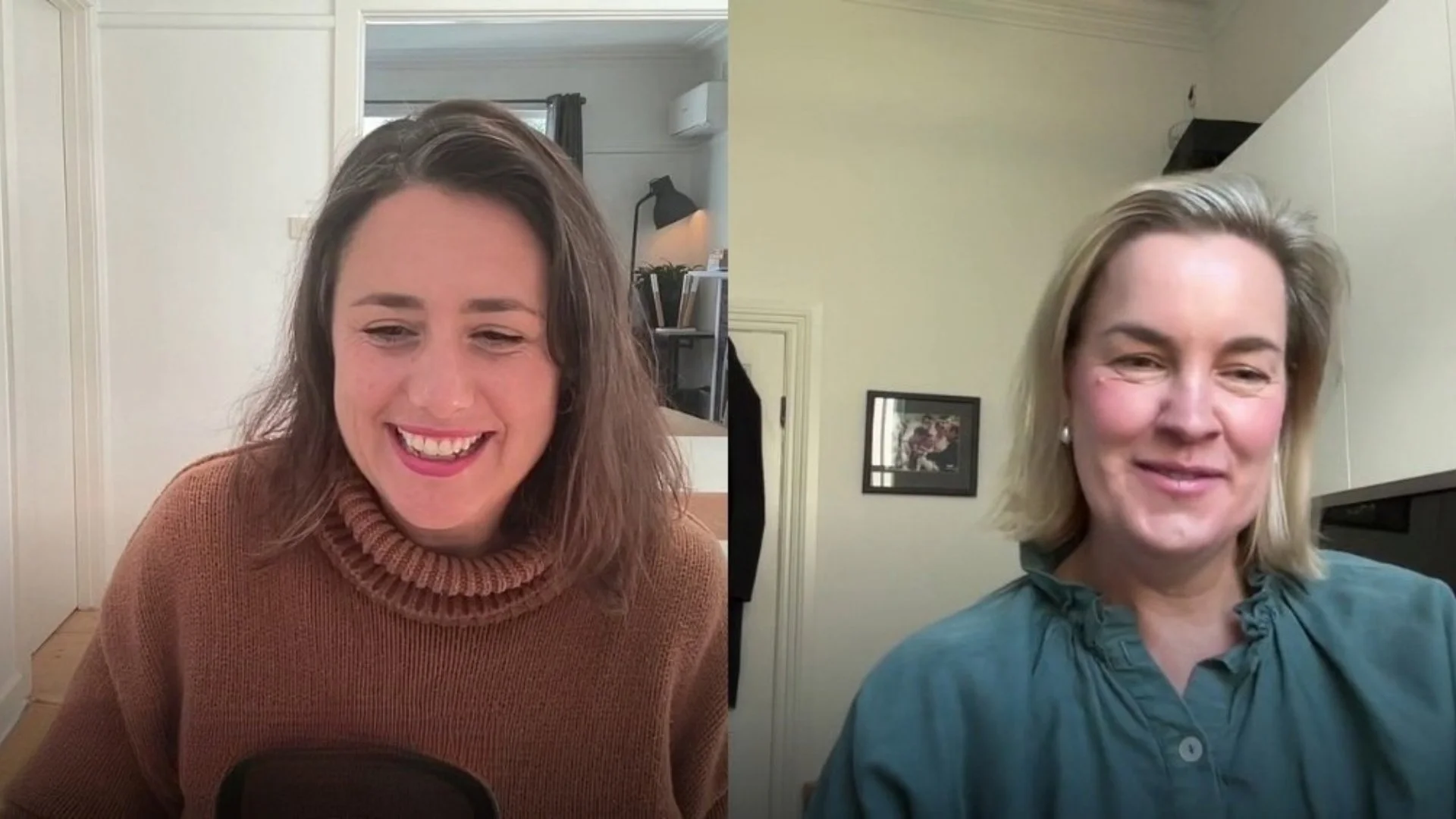
Inbound tourism expenditure is up 15.9% in a year that's been hard on everyone. Sarah Myers has just come back from pitching our wine regions to travel advisors in Paris, London and Munich. Here's what they asked her for.
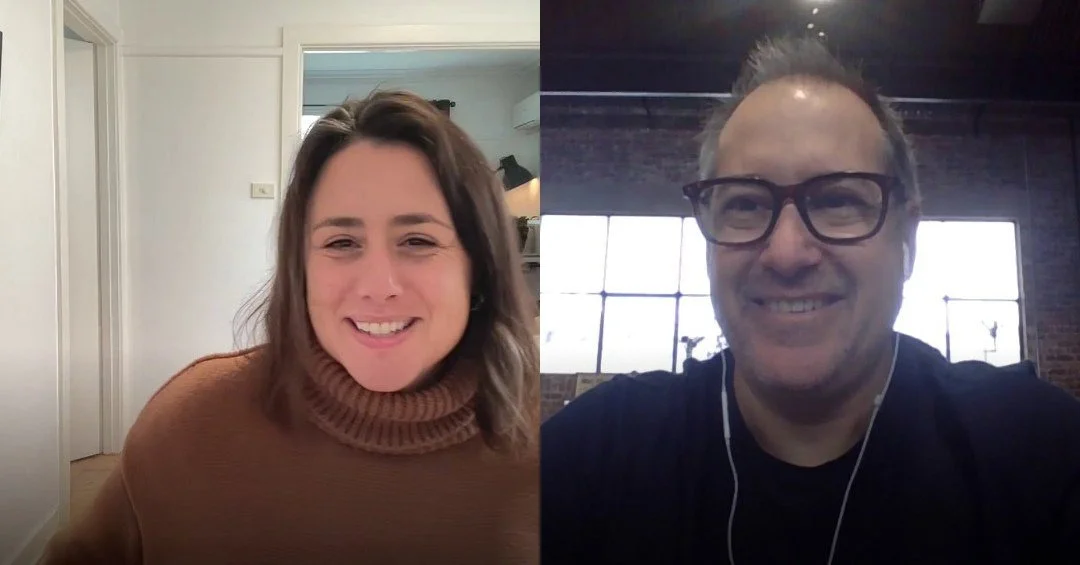
Four things that separate drinks producers who scale from those that stall, with Seb Reaburn of Anther on identity, route to market and the 20% cash flow rule.
I've spent a fortnight with winemakers and distillers, and the thing worrying me isn't the market. It's how many good operators are talking themselves out of the things that would help them most. Five things that are still entirely yours to decide, and almost none of them cost a cent.

Two operators told me this month that they could not justify the spend right now. Both were being responsible with money. Both were working from the same assumption: that doing nothing is the cheap option.

Marketing people are very good at making marketing sound complicated. Here is the plain version: what a freelancer, an agency and a consultant are each built to do, and how to work out which one your business needs right now.

Visitors are coming. Revenue isn't always following. I've spent the last few weeks in new business meetings with regional food and wine operators, and the pattern is consistent, awareness isn't the problem. Conversion is. Here's what the Visit Victoria data says, and what operators can actually do with it.

Most food and wine businesses have boosted a post at some point and quietly wondered whether it did anything. I sat down with paid ads strategist Christine Pietersz to get to the bottom of what actually works on Meta. Here are five things that stuck with me.

When I was asked by a notable Australian wine region on what successful wine events are doing differently, my answer had little to do with wine.
The regions seeing the strongest growth are creating compelling tourism experiences, not simply better tasting opportunities. In an increasingly competitive market, that distinction matters more than ever.

Most business owners think they have a marketing problem.
That they need more social media, better PR, a new website or a rebrand. Sometimes they're right. But more often than not, they're jumping to tactics before they've properly diagnosed the problem.
In this article, I explore why the most valuable thing I do as a consultant isn't providing answers. It's asking better questions.

The axing of the Cellar Door Grant has sparked huge concern across Victorian wine... but I think it also reveals a much bigger shift already underway.
Increasingly, wineries are no longer just wine businesses. They are tourism, hospitality, events and experience businesses ALL at once.
And the wineries that thrive over the next decade will probably be the ones that understand not just how to make wine, but how to create experiences people genuinely want to travel for, talk about and return to.
South Australia’s Michelin announcement is about much more than restaurant stars.
In this week’s Growth Insights article, I unpack why Michelin’s arrival in Australia is really a visitor economy and tourism positioning story, what it potentially means for Victoria’s culinary identity, and why awards alone don’t create destination distinction.
A thoughtful industry reflection on hospitality, tourism, global perception and the future of Melbourne’s dining culture.
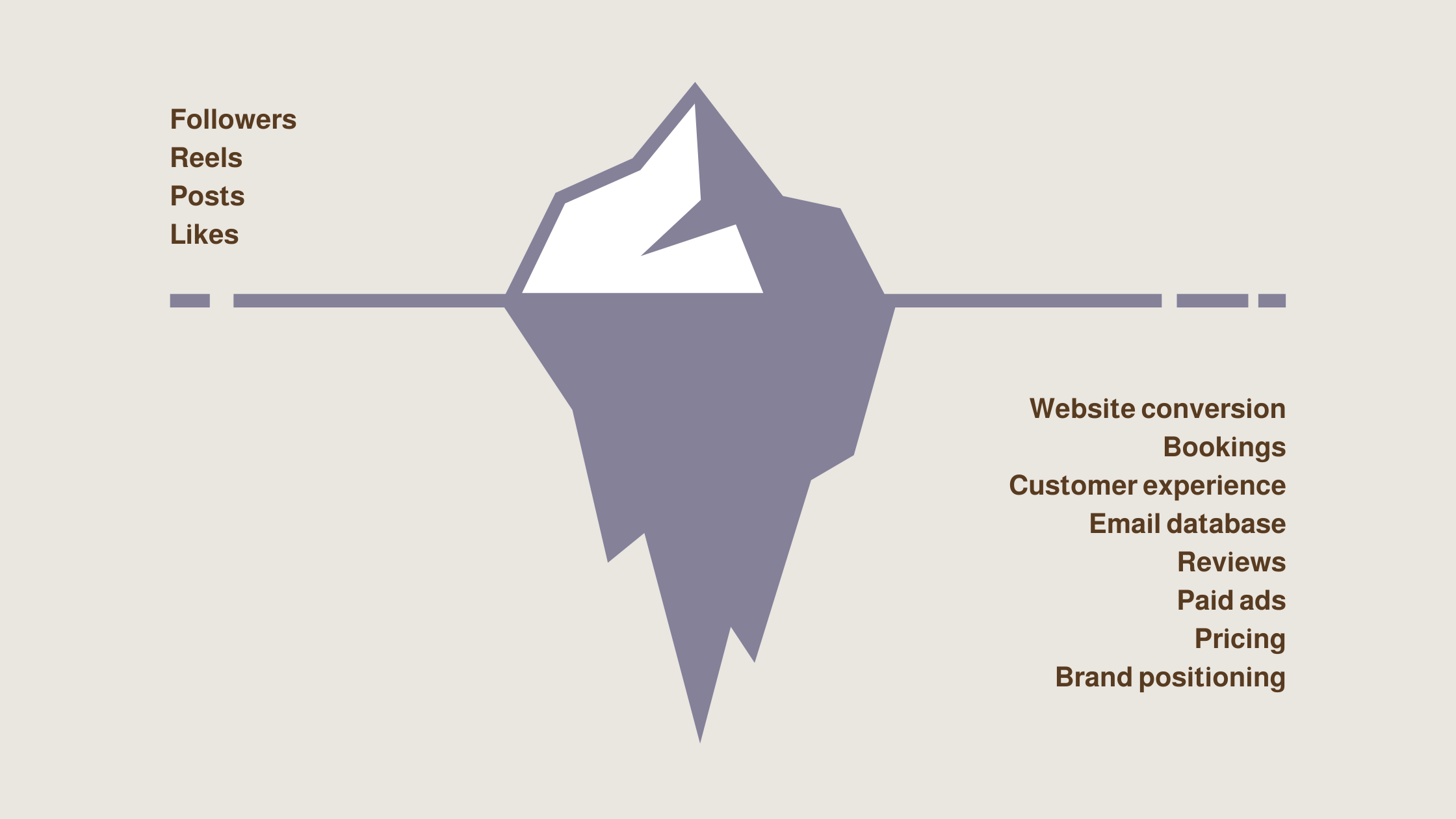
Many businesses think marketing equals social media. In reality, social media is only one part of the picture. Real marketing is your website, customer experience, database, offers, reviews, positioning and every touchpoint that drives growth. If all your focus is on what to post next, you may be missing what actually moves the business forward.

Great drinks are no longer the differentiator. The venues that survive are the ones engineering moments, protecting margin and making harder decisions than guests ever see.
I’ve worked on every side of this equation, from marketing hatted restaurants in the Melbourne CBD, to delivering major events, to working inside the tourism system at Visit Victoria. One thing is clear. The venues that benefit from major events are not lucky. They are deliberate.
This guide shares what I have seen work, with practical, honest tips on how to turn major events into real bookings and revenue.

As we wrap another year, one question keeps coming up: Are we really ready for eCommerce? Not just “should we have a website?” but—do we have the brand, the systems, the margins, and the strategy to make DTC actually work?
This guide is here to help you figure that out. I’ve pulled together everything wineries and drinks producers need to know—tools, budgets, digital skills, fulfilment, marketing, and what it truly takes to run a direct-to-consumer channel that drives growth.
This is the time of year when the noise finally drops away and you can think clearly. Part Two takes you from reflection to action with seven questions and a simple structure to shape a calmer, clearer 2026.

If you’ve spent most of this year in reactive mode, you’re not alone.
The good news is that the quiet weeks between mid-December and late January give you something rare: the headspace to stop, think and reset your direction.
A few hours of deep work now can completely change the way 2026 unfolds.

Meta has rebuilt the engine behind Facebook and Instagram ads, changing how targeting works. The new system, Andromeda, uses AI to decide who sees what based on behaviour, not demographics.
I found this frustrating at first. With small budgets, you want control. But after months of testing, I have learned the only way to get results is to trust the system and focus on what we can control: creative, data, and setup.
This guide breaks down what has changed, why it matters, and how to get better results from Meta in 2026 — especially for food, wine, and hospitality brands.

Email automation doesn’t have to feel robotic. In food and wine, the inbox is another place to welcome, thank and celebrate your customers. This guide shares the automations I’ve seen work and how to make them feel like genuine connection, not marketing.

Spent time, energy and budget on an event, only to see sales stall? After 15 years in food and wine events — from restaurant launches and wine dinners to Melbourne Food and Wine Festival and Grampians Grape Escape — I’ve seen what actually works.
This article shares ten tactics that drive results. Whether you’re chasing ticket sales, launching something new or building an event brand, start here.
I’m a big believer that brands should own their media relationships. It builds credibility, authority and keeps you relevant.
Want to connect with Melbourne’s most influential food and wine media? Start here.
Launching a new venue? Don’t miss your one shot to make it count.
Opening the doors to a hospitality destination is thrilling, but the pressure to get it right can also be intense. With so much riding on your launch, having a smart marketing plan is non-negotiable.
This guide walks you through the essentials—step by step—ensuring your venue shines from day one.

Feeling like your food and wine business is lost in the digital noise? Don’t sweat it! This guide breaks down simple SEO strategies to help your website shine. From keyword research to local SEO, we’ve got you covered with actionable tips to boost your online visibility and attract more customers. Dive in and discover how to make SEO work for you!
Watch Growth Insights
Exclusive video lessons where I explore key marketing and growth topics for food, wine and hospitality brands. These quick, actionable insights are designed to help you strengthen your strategy and make confident decisions.
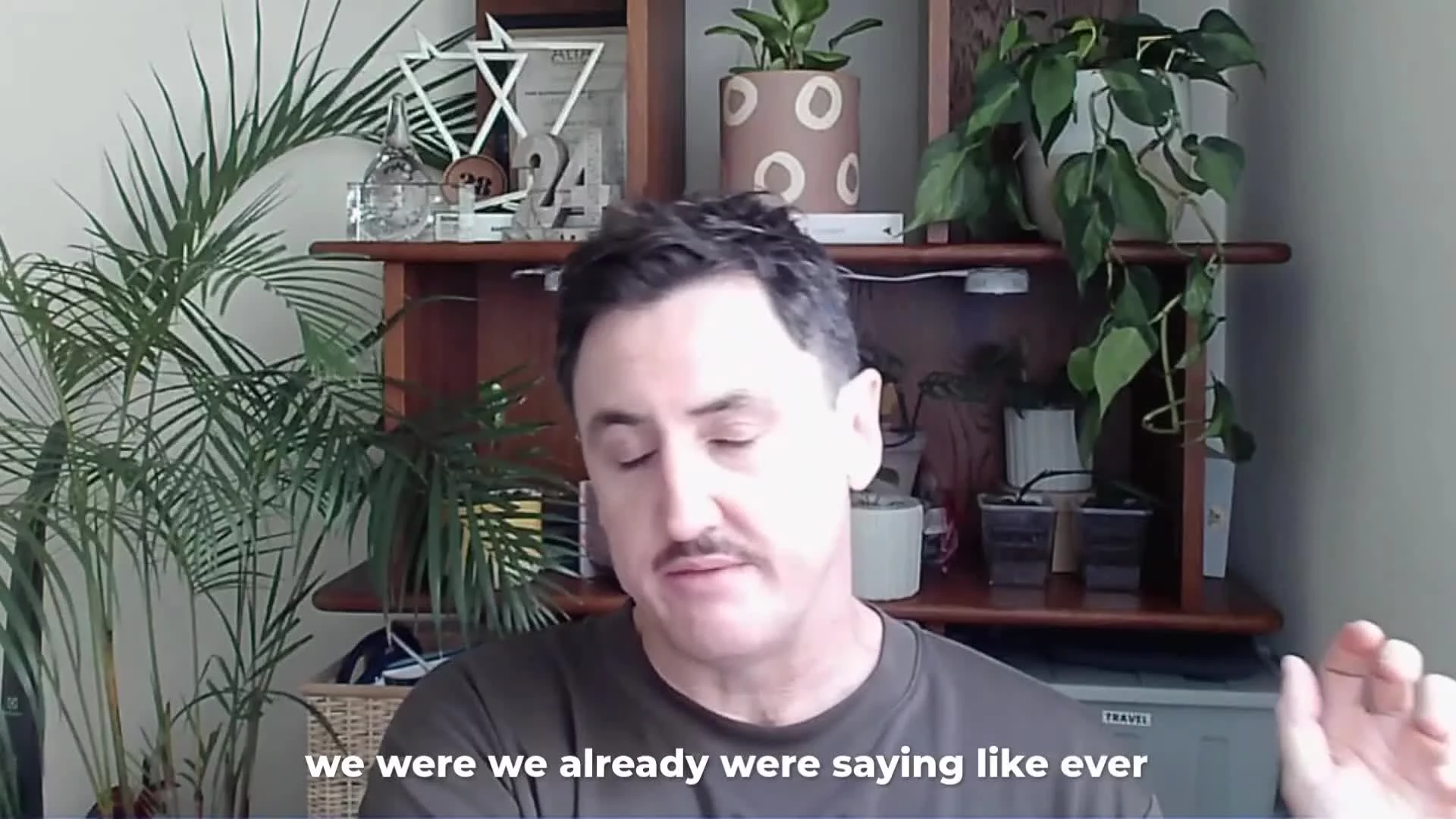
Jason Williams (House Made Hospitality, Sydney) explains how COVID, cost-of-living pressure and health trends have reset drinking behaviour. People are spending less, drinking differently, and forcing venues to be more creative with menu engineering. This isn’t a moment — it’s an unsettled new normal, with functional and non-alcoholic drinking now central to on-premise strategy.
Jason Williams (House Made Hospitality, Sydney) explains how COVID, cost-of-living pressure and health trends have reset drinking behaviour. People are spending less, drinking differently, and forcing venues to be more creative with menu engineering. This isn’t a moment; it’s an unsettled new normal, with functional and non-alcoholic drinking now central to on-premise strategy.
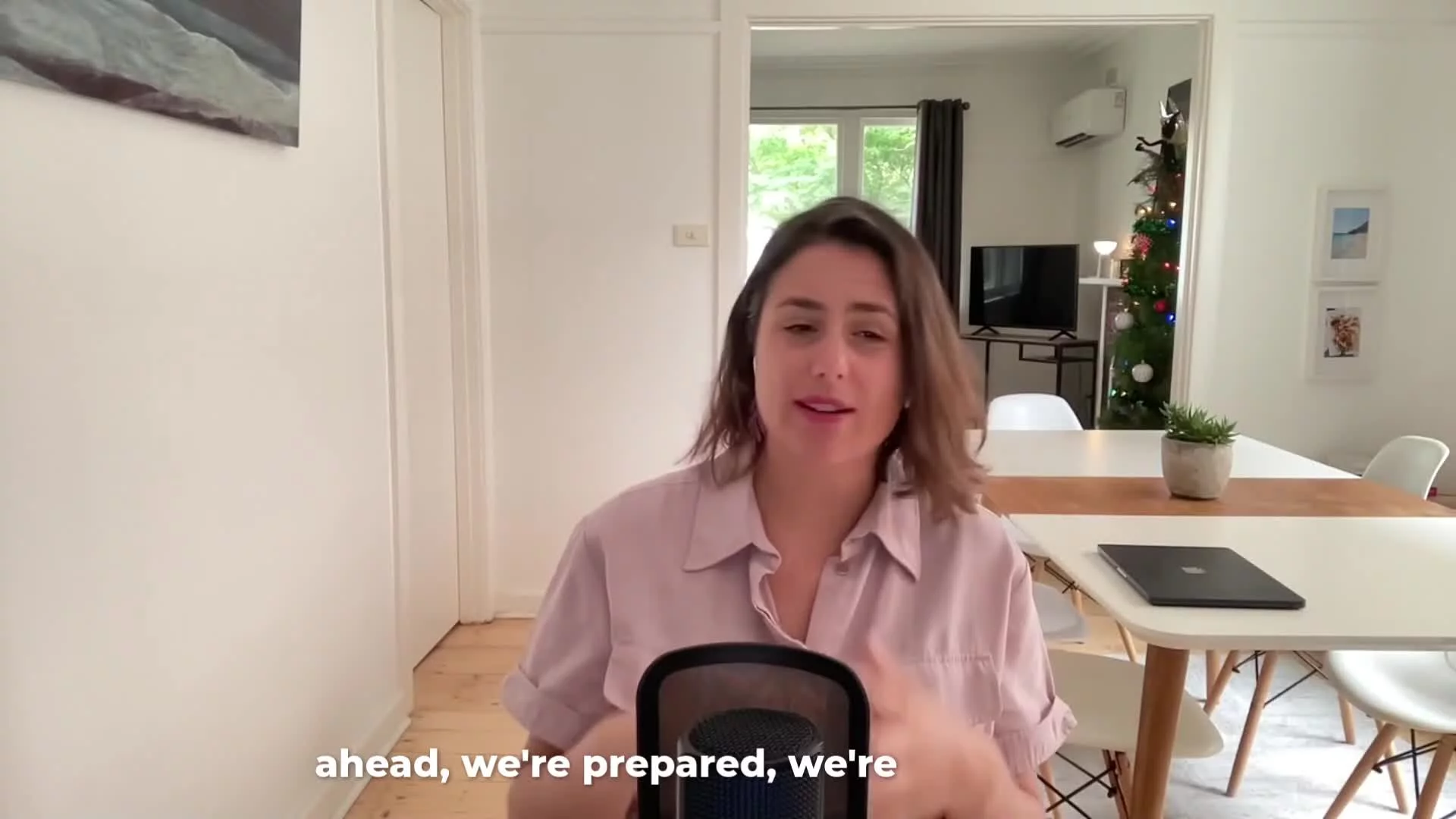
In this practical episode, Holly lays out the true costs of running a successful DTC channel, from website builds and subscriptions to shipping and customer support. If you're mapping your e-comm strategy for 2026, this will help you budget realistically and avoid nasty surprises.
You’ve decided to take your DTC channel seriously. You’re prepared, excited and ready to grow. But before you start building, there’s one step you can’t skip — budgeting.
In this episode, I walk you through the real-world costs of launching and running e-commerce for wineries and drinks brands. From websites and tech stacks to fulfilment and team resourcing, I’ll share what you need to plan for if you want a system that actually drives growth.
What we cover:
• How much to budget for your website (and why it varies)
• Platform costs: Shopify, Winehub, subscription tools
• The true cost of email marketing software as your list grows
• Shipping realities, including provider choices and customer expectations
• What to factor in for customer support and fulfillment
• The difference between a static store and a real growth engine
If you’ve been unsure what e-comm will really cost, this is the clarity you need.
🎧 Listen now at growthedit.com/podcast
📅 Book your free 1:1 Growth Call for January →
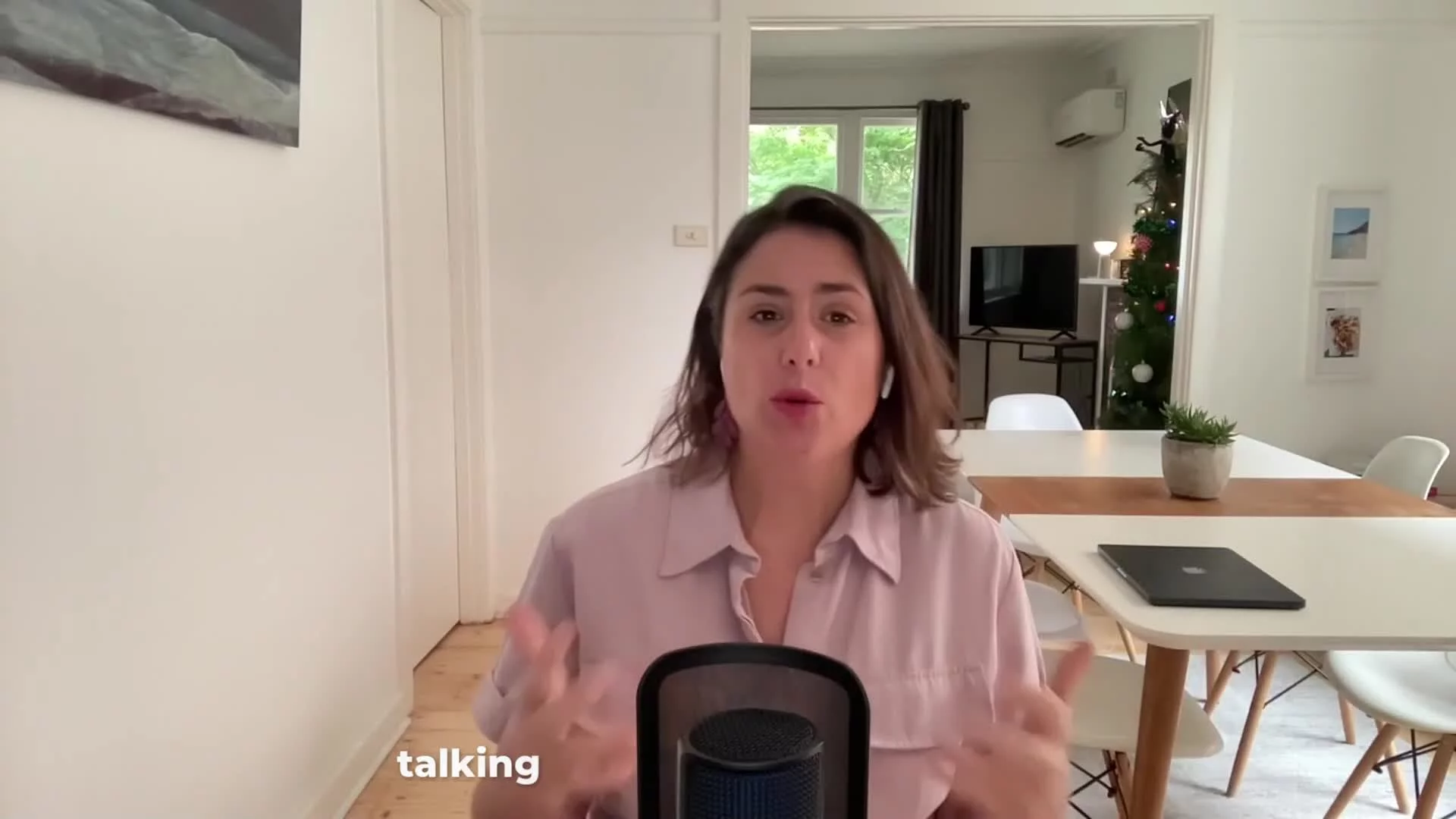
Thinking about launching DTC? In this 5-minute episode, Holly breaks down what e-commerce actually involves for wineries, from branding and compliance to pricing and digital skills. Plus, a simple checklist to help you figure out if your business is truly ready to build a channel that works.
In this short and focussed episode, I’m breaking down what e-commerce really looks like for wineries and drinks brands and why it’s so much more than just having a website.
If you’ve been asking yourself whether 2026 is the year to launch or grow your DTC channel, this is the episode to ground your thinking.
I’ll walk you through:
• What e-commerce truly involves beyond a digital storefront
• How DTC compares to wholesale in terms of control, workload and margin
• The operational and strategic layers that make alcohol e-comm unique
• Five key readiness questions every producer should ask
• Why margins, digital capability and team resourcing matter more than you think
This isn’t a pitch. It’s a reality check and a helpful way to assess if you’re in a position to build a direct channel that’s sustainable, profitable and aligned with your brand.
📅 Ready to get serious about e-comm in 2026? Book your free Growth Call for January now.
Embrace mindset shifts to transform planning into a strategic tool. Learn how food and wine businesses can prioritise effectively, reduce chaos, and ensure a successful 2026.
Embrace mindset shifts to transform planning into a strategic tool. Learn how food and wine businesses can prioritise effectively, reduce chaos, and ensure a successful 2026.
Uncover the power of asking the right questions: identify revenue drivers, eliminate drains, and leverage underused assets to strategically plan for a successful 2026.
Uncover the power of asking the right questions: identify revenue drivers, eliminate drains, and leverage underused assets to strategically plan for a successful 2026.
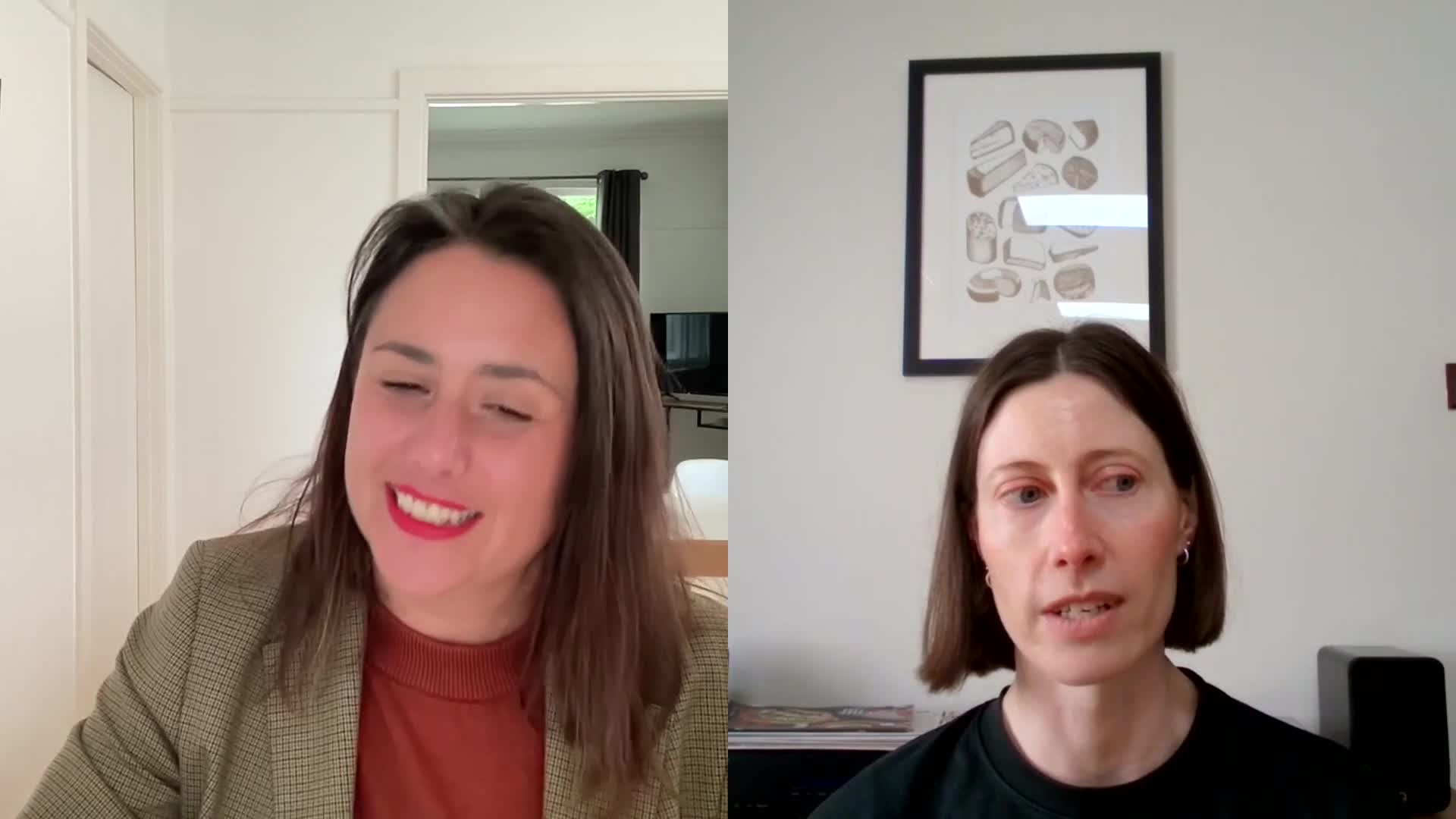
Emma Breheny outlines anonymity protocols for Good Food Guide reviewers, including using aliases, alternate contact details, and low profiles during visits. Despite challenges with modern booking systems, experienced critics develop systems to avoid recognition, ensuring fair treatment.
Emma Breheny outlines anonymity protocols for Good Food Guide reviewers, including using aliases, alternate contact details, and low profiles during visits. Despite challenges with modern booking systems, experienced critics develop systems to avoid recognition, ensuring fair treatment.
Emma Breheny explains that critics assess whether a venue meets its own goals—like offering a classic French bistro experience—by observing cues like decor, menu choices, and service style. These subtle signals shape diner expectations, and experienced critics become increasingly attuned to them through frequent dining and detailed observation.
Emma Breheny explains that critics assess whether a venue meets its own goals—like offering a classic French bistro experience—by observing cues like decor, menu choices, and service style. These subtle signals shape diner expectations, and experienced critics become increasingly attuned to them through frequent dining and detailed observation.
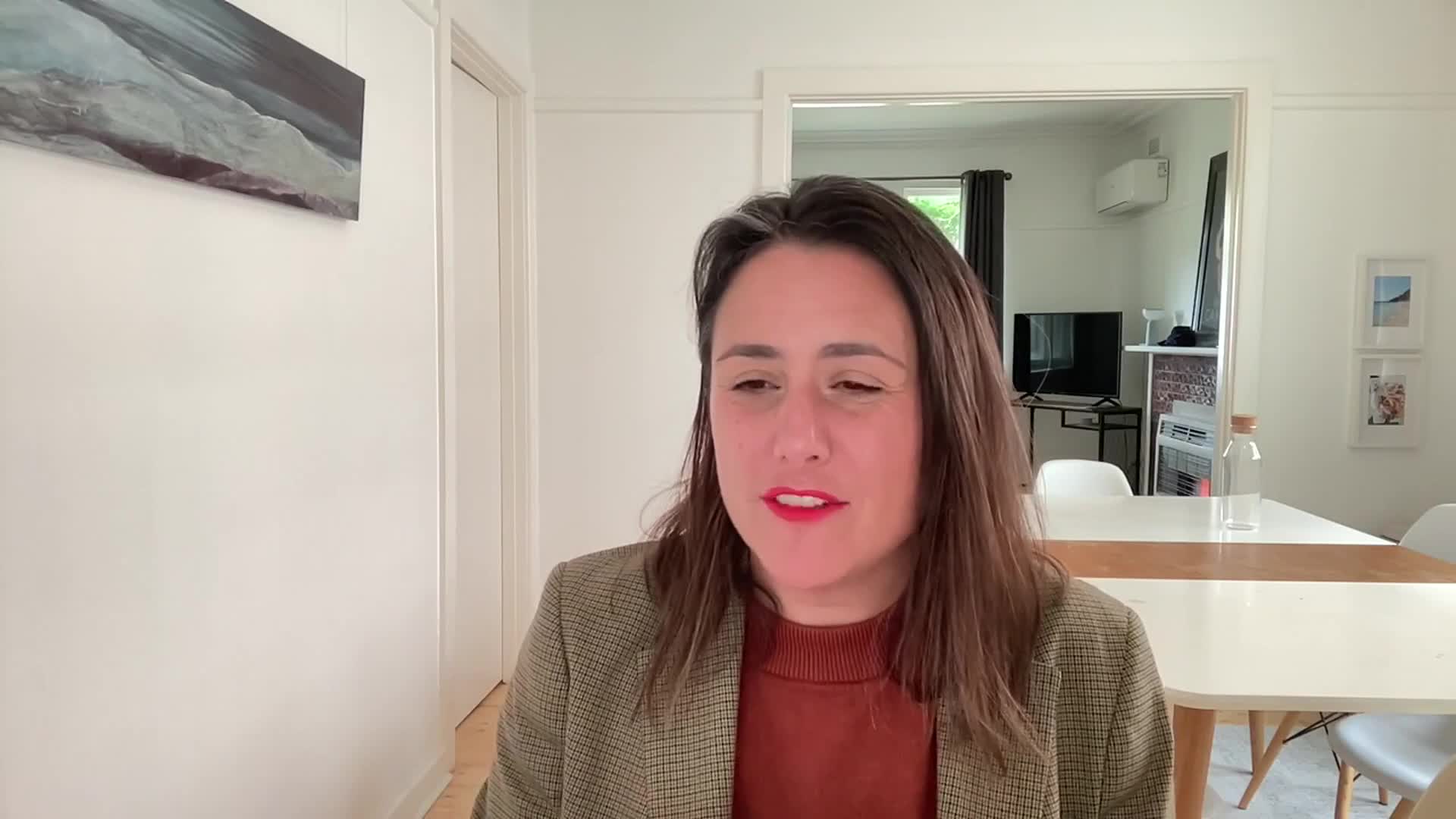
Emma Breheny shares how the Good Food Guide scouts venues—from Reddit threads to regional tourism sites—and encourages restaurant operators to reach out via editorial@goodfood.com.au. She also explains how a team of 30–40 reviewers follows detailed guidelines to ensure fair, consistent ratings, sometimes conducting follow-up visits when needed.
Emma Breheny shares how the Good Food Guide scouts venues—from Reddit threads to regional tourism sites—and encourages restaurant operators to reach out via editorial@goodfood.com.au. She also explains how a team of 30–40 reviewers follows detailed guidelines to ensure fair, consistent ratings, sometimes conducting follow-up visits when needed.
Don’t forget your welcome chat
You’ve got a free 30-minute session with me — no sales pitch, just a chance to talk through your marketing goals and next steps.
Book anytime within your first three months of joining.
How Growth Ready Is Your Business?
Take the free Growth Readiness Diagnostic designed specifically for food, wine, hospitality and tourism businesses.
Jason Williams (House Made Hospitality, Sydney) explains why growth matters when it is tied to people, not ego. Scaling is not just about revenue. It enables career pathways, internal promotion, stronger supplier relationships and better buying power.
For House Made, growth is a deliberate strategy to build sustainability for teams, partners and the wider hospitality ecosystem.
Jason Williams (House Made Hospitality, Sydney) explains why growth matters when it is tied to people, not ego. Scaling is not just about revenue. It enables career pathways, internal promotion, stronger supplier relationships and better buying power.
For House Made, growth is a deliberate strategy to build sustainability for teams, partners and the wider hospitality ecosystem.